Short of it is, not as a rule. There are some fine premium formulas and then there are the cheap ones that are as rough as you like, but in the end a product will only be as good as its active ingredients, how well it has been tested for stability, the concentration of the formulation and if it is right for your skin. None of that has to do with an exorbitant price or an organic sticker on a fancy box.
People are prone to be put off by this. A chemist bottle is plain compared to a polished jar, yet your skin has no time for gold foil or marble counters. As Evander Brooks would say, you make most of your gains with skin by being consistent with the formula and not letting the marketing and packaging have their way with you; they tend to promise the earth and give you a lightly perfumed moisturiser.
What The Labels Are Telling You
It is as well to get the terminology straight before one starts to judge results. When considering beauty products, “Luxury”, “drugstore” and “organic” are neat words, but in reality they overlap as much as road signs on a detour.
An expensive serum can be nothing more than standard cosmetic chemistry while a pharmacy product at a fraction of the cost has more to show for itself than half the wares on the prestige shelf. The label is merely where you start.
Luxury, Organic, Drugstore
By and large luxury is about the elevated experience, the branding, the packaging and the price. It is not a proxy for clinical performance. One pays for the brand positioning, the glass, the imported distribution, the marketing and influencer fees.
With organic, you are looking at ingredients made to certain agricultural standards. But in a cosmetic context it does not mean 100 per cent of the product is organic, nor is it a sure thing for dealing with rosacea, pigmentation, acne or the effects of age. Better to look for independent certification like COSMOS which has rules to back it up rather than what is written on the front.
Then you have drugstore or chemist skincare in Australia. Mass-market fare from the supermarket or large retailer. They put a lot of emphasis on value and practicality, often fragrance-free and with active ingredients that have the evidence to support them.
Getting Results
You want less sun damage, better hydration, fewer breakouts? Do not ask if it is luxury or cheap. Ask what is in it and if you will use it. That is where the effectiveness of an organic product is confused with the branding. Improvement is down to time and the strength of proven actives.
Retinol And Retinoids
For ageing, unevenness and the odd spot of acne, retinol is hard to beat. The evidence is there. It is fussy though, degrading to air, heat and light so the formulation is key.
A luxury cream might have a more elegant base and feel superior, but a well-stabilised one from the discount bin will do the job. Do not be under the impression that a “natural retinol alternative” is the same thing. It may be gentler, but that is not proof of equal efficacy.
Hyaluronic Acid
Its purpose is to draw in and retain water. But the rest of the formula counts. In an Adelaide climate I have known people to put on a hyaluronic acid serum and be puzzled why their face is tight come lunchtime. Put a moisturiser on top or it is like erecting a tent without the pegs. An affordable line with a good barrier cream and humectants will hydrate as nicely as anything from the luxury counter.
Niacinamide
From the basic chemist bottles to the prestige counters you will find niacinamide for redness, tone and oil control. Efficacy and price do not correlate.
There is no need to go after the highest percentage. For some 2 to 5 per cent is plenty; stronger can be an irritant. Find what your skin will stand.
Vitamin C
Here you will see the difference between a good and a bad formulation writ large. Not all forms are created equal and, in the case of vitamin C for instance, many products will be unstable after opening. You would do well to put your money on a formula that is well packaged in an opaque container that keeps air out rather than some citrus-scented serum in a clear dropper bottle. When it comes to pitting drugstore against luxury, the quality of the manufacturing and packaging is of greater import with vitamin C than the price tag might suggest.
Organic Does Not Mean Superior
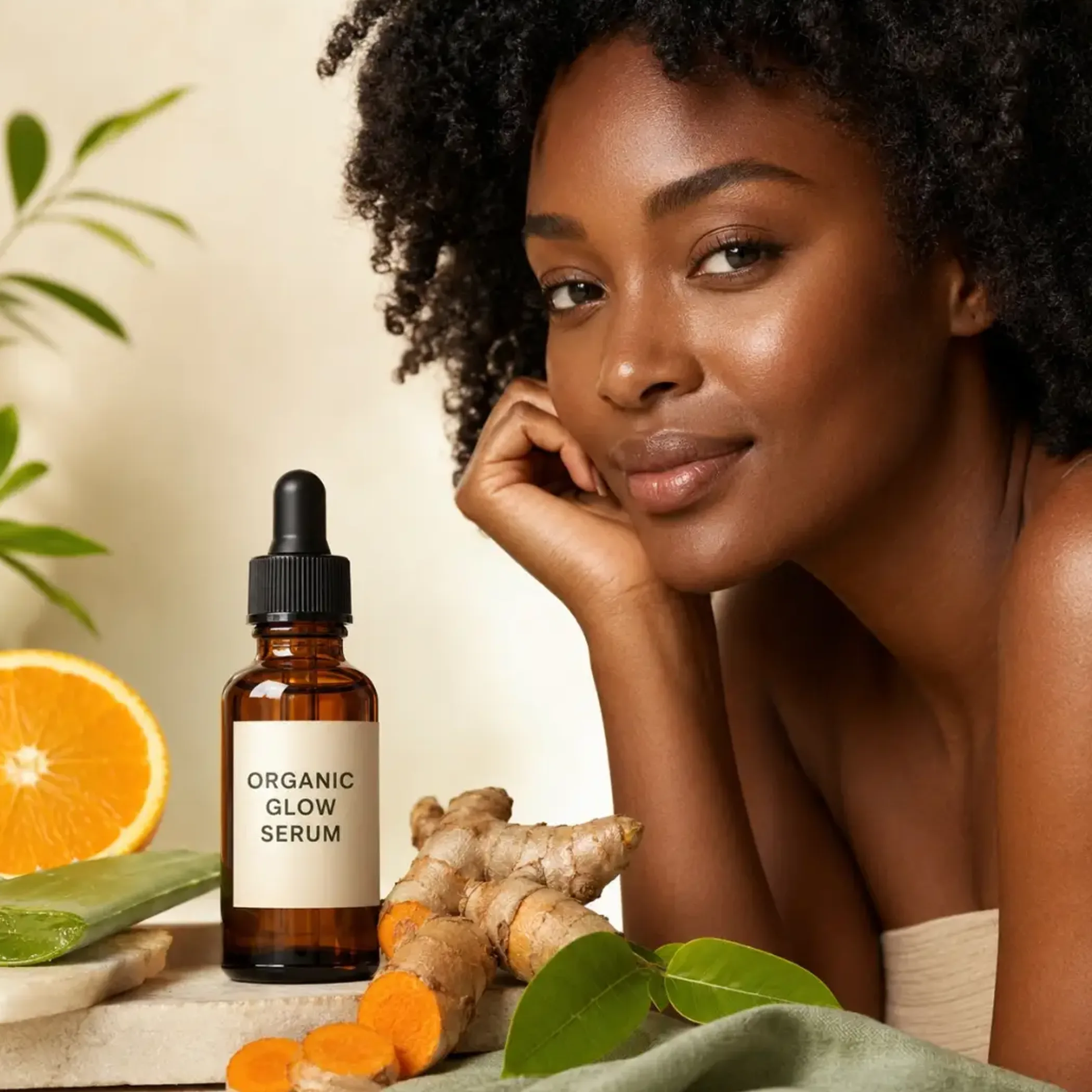
There is no harm in having an affinity for organically derived ingredients. Whether for environmental reasons, to avoid synthetics or for the sake of texture and scent, it is a matter of preference. Yet one should not assume organic is better for the skin. “Organic” is a term of sourcing, nothing more; it does not ensure safety or how the product will perform.
Natural Vs Synthetic
The debate between clean beauty and conventional beauty is often made into something of a pub argument with a villain on one side. The truth is synthetic ingredients can be every bit as safe and stable, if not more so, than their natural counterparts which may be lovely or they may be underwhelming, even irritating, in a given formula. Conventional ingredients have a good safety record and are recommended by dermatologists in spades. A plant extract can sound wholesome but then oxidise or be a different story from one batch to the next. And there is nothing wrong with a lab-made ingredient; water is a chemical and you will not find anyone penning a think piece in alarm over it.
Certification Matters More Than Vibes
Should you want to make sure of an organic claim, go for a credible certification like COSMOS, a standard in the cosmetics industry, instead of flowery language. For cruelty-free status the Leaping Bunny is a far stricter system than the vague bunny logos marketing has put together.
Then there are apps and ratings that will give a formula a simple good or bad score. EWG has its influence with consumers but toxicologists and dermatology experts will tell you its hazard-based methodology does not account for dose or exposure in the real world. It is not to say their concerns are without merit, only that one should not put stock in a single score.
Why Formula Beats Price
In the end this is what the comparison is about. If a product is agreeable enough for regular use and the ingredient is at a strength that is of some use and kept stable, it will beat one with a higher price. Evander Brooks notes the same in travel: a guest is not going to be impressed by an embossed welcome folder if the shower is leaking and he cannot find his way around. With skincare it is function first.
Concentration And Delivery
Context is as important as concentration in a formulation. An active ingredient at very high levels is of no account if it is unstable or too much of an irritant to see you past three nights of use. Retinol and vitamin C in particular demand attention to stability. The Cleveland Clinic has repeatedly emphasised choosing products based on ingredients and skin need rather than hype, and mainstream dermatology guidance broadly supports that approach. You may find a lower cost brand has done an excellent job of formulating where a high-end product has put its resources into delivery systems and texture.
Packaging Is Not Just Decoration
It can be for show or it can be to protect what is inside. Potency is maintained by airless pumps and controlled dispensers. At times you are paying for sound engineering and not the gloss of a brand. Luxury skincare will put a lot into shelf appeal and fragrance and a heavy jar that will not move the needle on results. A vitamin C serum in a clear jar is a red flag, hardly a luxury.
| Factor | Usually Helps Skin Results | Usually Raises Price Without Boosting Results |
| Stable active ingredients | Yes | No |
| Appropriate concentration | Yes | No |
| Airless or opaque packaging | Often | Sometimes |
| Heavy glass jar | Rarely | Often |
| Strong fragrance | Rarely | Often |
| Clinical testing on final formula | Yes | Sometimes |
| Prestige branding | No direct effect | Often |
Natural Ingredients Can Irritate
An unglamorous subject that tends to be overlooked. Allergies to natural skincare are a fact of life and some organic products have essential oils or botanicals that up the risk of irritation. “Natural” is no free pass if you have eczema, rosacea or sensitive, compromised skin; in some cases it is the thing that causes trouble.
Allergic Contact Dermatitis
Essential oils, propolis, lanolin, certain extracts and the like can bring on allergic contact dermatitis. Sensitive skin has a way of reacting to them in an unpredictable fashion, but it is not as though the ingredients are inherently bad.
One can turn to the Therapeutic Goods Administration of the Australian Government for unvarnished guidance on the safety of sunscreen and how ingredients are policed. It serves as a salutary reminder that evidence and regulation have more weight than any buzzword. The TGA is the place to go for health information in Australia.
What Catches People Out
It is an easy error to make, to think fragrance-free and unscented are interchangeable. They are not necessarily so. Then there is the matter of testing five different products in the space of a week and being none the wiser as to which was the culprit when trouble ensues.
- If a product has retinol, vitamin C, exfoliating acids or essential oils in it, put it to a patch test first.
- When you do bring in a new active, let one at a time be enough for two weeks or until you notice some irritation.
- And should you develop a spreading rash, marked redness, swelling or a burning sensation that will not abate, discontinue use.
What You Are Paying For
The question is whether to part with your money for luxury skincare. Occasionally yes, but not always for the reasons given. What is being purchased could be the prestige, the packaging, a pleasing texture or good customer service, research even, instead of anything to do with results.
Not that luxury is without its point; if a product is agreeable to use and you are therefore consistent with it, there is value in that. One would do well to be candid about what the price tag affords.
Price Vs Efficacy
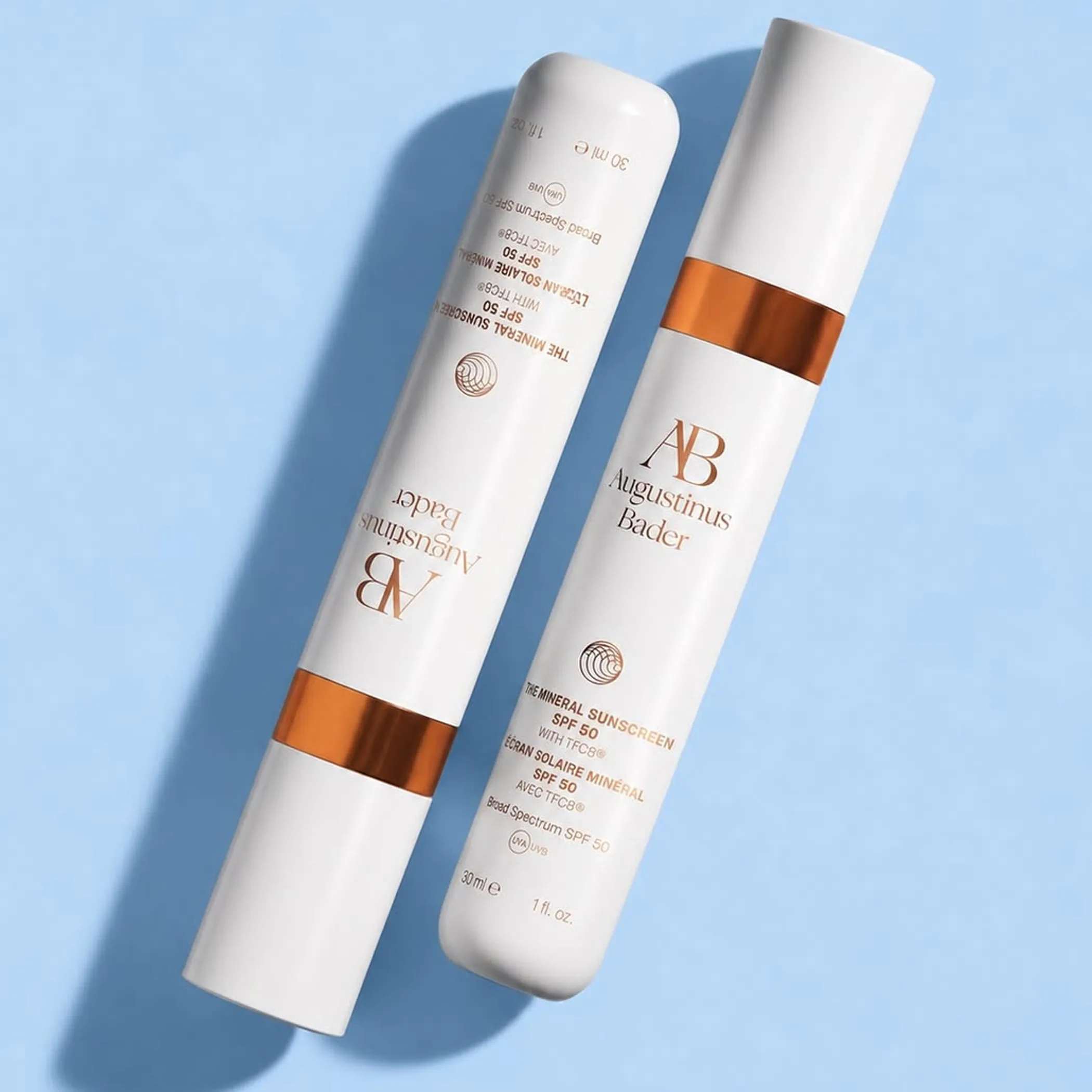
Disappointment is most often found here. Vogue and The Daily Beast will make much of a celebrity formula or premium launch and have Augustinus Bader and the like talked up as though the cost were justification enough. But that kind of coverage is no substitute for independent comparative evidence.
Do not be under the impression that a $250.00 cream is by rights better than one at $35.00. In the case of a cleanser, niacinamide serum or simple moisturiser you will have no trouble finding something affordable and effective. A more sensible way to splurge is where the quality of the formulation or texture makes all the difference to performance.
Expectation Vs Reality
You may expect a jar of organic cream to work wonders on your skin because the ingredients are rare and the container is fit for a museum. The reality is that without proven actives or in their unstable form, you are likely to be left with a nice bit of moisture and nothing more. Or consider the drugstore: the assumption is weakness, yet large labs put out pharmacy products with formulas for everyday concerns that have been put through their paces and tested on a wide consumer base.
What Experts Tend To Say
Dermatologists are not given to glamour categories; they want to see ingredient evidence, tolerance and consistency. It might be boring, but it is what does the job for the skin. Go by their recommendations and a pattern will emerge: a preference for retinoids, a good sunscreen, barrier-friendly moisturisers and the like over whatever is in vogue.
Clinical Evidence First
As far as routine skincare goes, the evidence is with your retinoids, sunscreen, certain forms of vitamin C, selected exfoliating acids and niacinamide. Proving the efficacy of organic skincare in general is another matter since “organic” is not a treatment mechanism in itself.
Statistics can be tricky too. Skincare studies differ in their funding, design and sample size. So when a brand says 90 per cent of users saw improvement, ask yourself what the base is. Is that 90 per cent of 20 people who assessed themselves or 200 in a blinded evaluation? A percentage with no base is akin to a ferry timetable with no return.
Standards Worth Knowing
There is COSMOS for those who want organic certification and Leaping Bunny for animal testing policy. Neither will vouch for anti-ageing prowess but they put ethical and sourcing matters in order.
Australian consumers would do well to note the distinction in how therapeutic claims and cosmetics are regulated. Make a product imply it is treating a medical condition and the standards change. Hence why a sunscreen is held to a stricter account in this country than a run of the mill moisturiser.
How To Pick The Right Routine
A degree in chemistry is not called for, nor a 10-step regimen or a marble shelf. A few well-chosen products in keeping with your skin type and what you want to achieve are all that is called for. There is no point in making a change at the first sign of a new fad, as if it were a hot northerly.
Put it in practical terms: how to select skincare that is right for you and not be had by the marketing.
Match Product To Goal
Let us say dryness is your chief worry; then you will want to put humectants, ceramides and glycerin before anything else, along with a good moisturiser. For acne one should consider salicylic acid or benzoyl peroxide as the case may be, a non-comedogenic texture and some gentle cleansing. In the matter of pigmentation or photoageing, retinoids, niacinamide, vitamin C and sunscreen are more sensible than any “botanical renewal complex” they put on the label.
Should you have but a day to put your routine in order, do so in this sequence: sunscreen, cleanser, moisturiser and a single active to target your needs. You will be better off for it than with a cupboard full of random jars.
| Skin Goal | Useful Ingredients | Luxury Needed? | Watch Outs |
| Dryness | Hyaluronic acid, glycerin, ceramides | Usually no | Fragrance, anything with too much alcohol |
| Acne | Salicylic acid, niacinamide, retinoids | Usually no | Over-exfoliation, heavy oils |
| Ageing | Retinol, sunscreen, vitamin C | Sometimes | Formulas that are unstable, irritation |
| Sensitivity | Soothing bases, simple moisturisers, niacinamide | No | Essential oils, strong scent, an excess of actives |
| Dullness | Vitamin C, retinoids, gentle acids | Not usually | Harsh scrubs, stacking acids every day |
Who Should Avoid Certain Products
Irritated skin has to be put to rights before you can treat it, so strong retinoids are not for all. A beginner with skin that stings at water or flushes with ease would be ill-advised to embark on a complicated regimen of actives. Calm the barrier down first.
Those with eczema, rosacea or a propensity for allergic contact dermatitis would do well to be cautious of natural formulas that are heavily scented. An organic product can be as irritating as the next thing and a conventional one just as mild. The label is no substitute for patch testing if you have fragrance allergies.
- To begin with, pick a skin goal.
- Consult the ingredients, not what is written on the front.
- For retinol and vitamin C go with stable packaging.
- One active ingredient to start, not three.
- And allow it time before writing it off.
Evander’S Final Take
There is nothing wrong with luxury organic beauty, but do not assume it is more effective than what you find at the drugstore. If there is one thing to put up on the fridge it is that price and prestige, or having “organic” on the box, will not give you results the way proven actives and a steady hand with them will.
If a premium cream is to your liking and agrees with your skin, very well. But when money is better put towards a decent cleanser, a proper moisturiser and a good sunscreen, that is the wiser course. Your skin has little use for status, only consistency. Much like a good roadside bakery, there is not much in the way of fuss but you know it will deliver.
Frequently Asked Questions
The sort of questions that arise when one is weighing up clean beauty against the conventional, or wondering if the outlay is for science or pretty packaging.
Is Organic Skincare Really Better?
By no means. It is a question of sourcing standards, not clinical performance. While some are fine, others cannot hold a candle to a conventional formula with active ingredients that have been properly studied.
Are Expensive Skin Care Products Worth the Cost?
Only in so far as the testing, stability or texture of the formula is a genuine improvement. For a cleanser or a niacinamide serum you can get very good value at a lower price.
Why Is Japanese Skin So Flawless?
That is a stereotype and an over-simplification. Between genetics, culture, the light and photography, and the fact of sun exposure and a consistent routine, no country has a magic elixir.
Is High-End Makeup Any Good?
In terms of wear time or finish perhaps. But then again, not always. It may afford a nicer experience but is not necessarily superior in performance for everyone.
How Do I Tell What Will Work?
Take your goal, be it sensitivity or pigmentation, and from there make your choice on the quality of the packaging and the actives. Leave the influencer hype and the broad claims of clean beauty to one side.
